
Guides
Do Cigarettes Get You High: The Effects of Nicotine
Dec
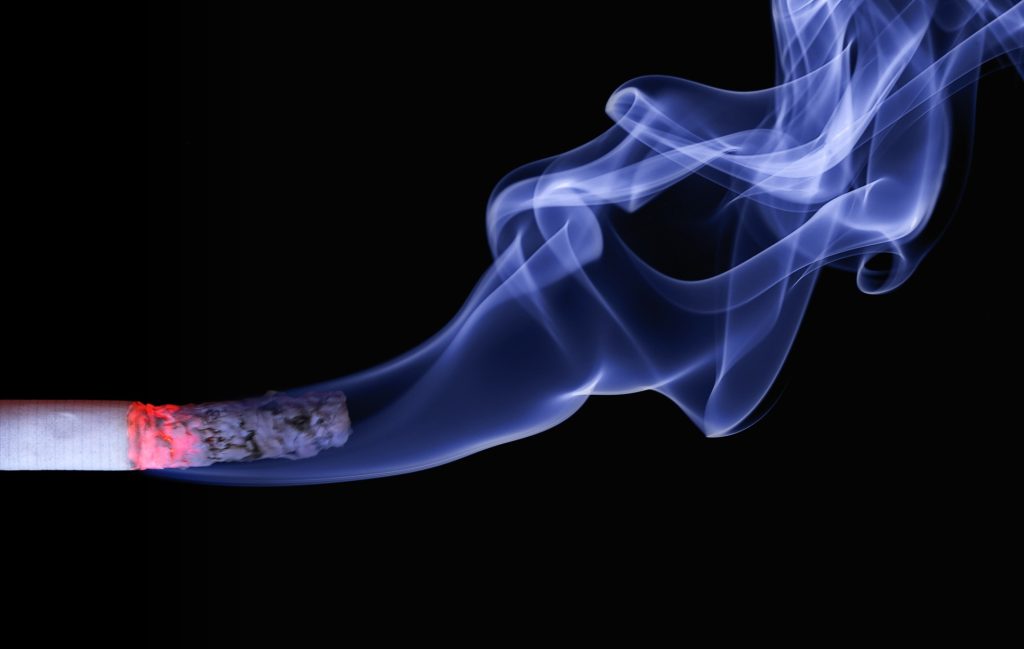
Do cigarettes get you high? People ask this all the time, usually because the first few hits can feel like something is happening. The short answer is no, not in the same way cannabis or other drugs do. Cigarettes contain nicotine, which is an addictive substance that creates a fast “kick,” but not the type of high most people think of. It’s more of a quick shift in your body and brain that feels like a combination of lightness, calm, alertness, and sometimes dizziness. We’ll break that down in detail, so the whole picture makes sense.
Before we get deep into how cigarette smoke behaves, what nicotine does inside your bloodstream, and what feelings you get from smoking a cigarette, if you are thinking of grabbing a pack, check prices and different tobacco options through Discount Smokes. They carry all the typical tobacco products, but for now, let’s focus on what actually happens when you use tobacco and why people smoke even when they’re trying to quit smoking.
Do Cigarettes Get You High?
How Nicotine Is Delivered When You Smoke
When you inhale cigarette smoke, nicotine is absorbed through the lungs and pushed into the bloodstream incredibly fast. Most people don’t realize just how fast. After all, nicotine reaches your brain within seconds. That’s why people who smoke often say they feel something almost instantly. A single cigarette can deliver enough nicotine to trigger the brain to release adrenaline and dopamine, two chemicals that create the signature “nicotine kick.”
Cigarettes
Cigarettes
Cigarettes
Cigarettes
Cigarettes
Cigarettes
Cigarettes
Cigarettes 

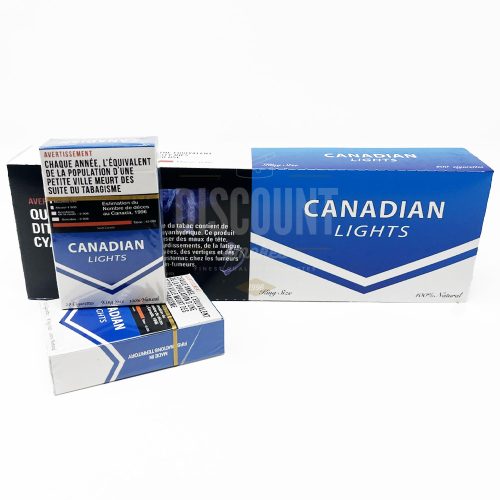
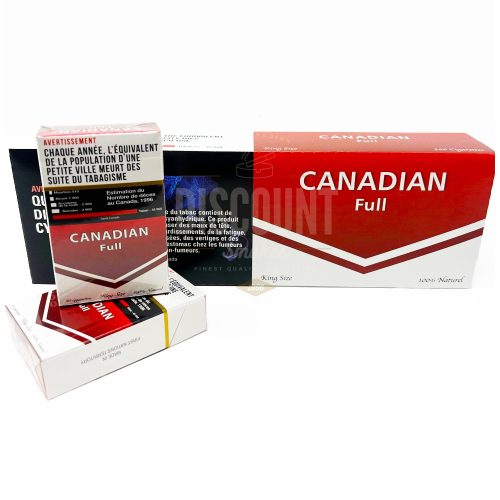
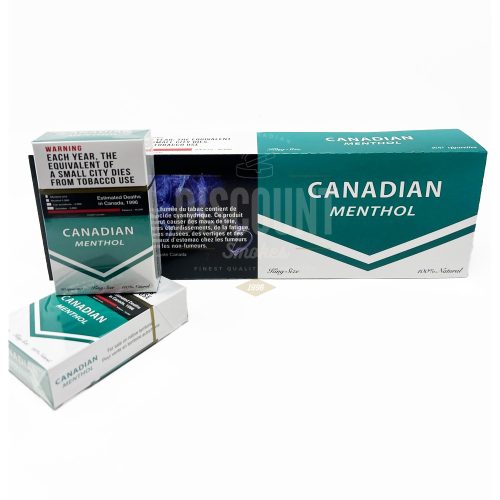











Nicotine is absorbed differently depending on the tobacco product. For instance, cigarettes deliver nicotine quickly, while chewing tobacco and other smokeless tobacco products release nicotine more slowly but in huge amounts. Cigars hit differently because you don’t always inhale them deeply. Vapes deliver nicotine without tobacco, but they still trigger cravings for nicotine and nicotine dependence. No matter how someone chooses to use tobacco products, the reason people smoke or reach for nicotine pouches or cigars is the same: that fast chemical reaction.
How Cigarette Nicotine Affects the Mind
On the mental side, nicotine affects the reward system. It talks directly to the nicotine receptors in the brain, and that triggers dopamine. Dopamine is the “good” feeling people describe when they hit a cigarette after a long day. You get a quick sense of well-being, almost like your brain takes a small breath. This doesn’t get you high, but it does create a shift that feels noticeable, especially if you’re new to tobacco use or you haven’t smoked in a few hours.
Nicotine also sharpens your focus. That’s why people who smoke often say they “need to smoke” before doing something stressful. Over time, the brain increases the number of nicotine receptors, which means people smoke more cigarettes to refill that system. Once someone becomes addicted to nicotine, smoking a cigarette doesn’t lift them up, as it just makes them feel normal again. That’s where nicotine addiction becomes hard to quit. You feel the urge to smoke cigarettes, not to get a kick but to avoid nicotine withdrawal symptoms.
How Cigarette Nicotine Affects the Body
Nicotine causes your body to release adrenaline, and that’s where most of the physical sensations come from. Your heart beats faster, your blood pressure lifts a bit, and the bloodstream carries nicotine through your system quickly. That adrenaline release can make you feel lightheaded, buzzed, or slightly floaty. For new smokers, these effects of smoking are way stronger because the body has zero tolerance to nicotine.
Over time, nicotine dependence and tolerance to nicotine build up. You stop getting the buzz, and instead, you just get cravings for nicotine every few hours. If you try smoking cessation, withdrawal symptoms like irritability, restlessness, and feeling tired or a little off hit much faster than people expect. Some smokers describe it as needing to refill an empty tank, and that’s exactly how tobacco addiction works.

What “The Cigarette Feeling” Actually Feels Like
This is the part most people want to know because it’s the closest thing to asking, do cigarettes get you high. The truth is, the cigarette feeling is a mix of sensations. You inhale, you get a warm rush, maybe a tiny head spin, and then this short moment of relaxation settles in. You’ll feel alert but calm at the same time. Some describe it as a “reset button.” Others say it’s like their nerves smooth out. Some call it a nicotine buzz. But it’s not a high.
If you’re not used to smoking tobacco, you might feel dizzy or slightly spaced out on the first few drags. That’s not the same as being high. It’s your body reacting to adrenaline and dopamine at the same time. Experienced smokers don’t get any of that unless they smoke more cigarettes than usual or go a long time without consuming nicotine. After enough tobacco use, the brain expects nicotine, and the cigarette feeling becomes nothing more than returning to baseline.
Effects of Nicotine vs Other Drugs
If you compare nicotine to cannabis, the difference is massive.
- Cannabis actually alters your perception, your senses, and the way your brain interprets things. It’s meant to get you high, and it creates real psychoactive effects. Nicotine does not. Nicotine affects the reward system and energy levels, but it doesn’t distort your thinking or create the uplifting or intense effects cannabis produces.
- Nicotine gives you a quick nicotine kick. Cannabis creates a full-blown high.
- Nicotine is mainly addictive because of the way nicotine works on the brain’s receptors, not because the feeling is powerful. Cannabis affects both your body and your perception. Nicotine affects your body and your cravings.
That’s why the National Institute on Drug Abuse points out that nicotine addiction is mainly about dependence rather than intoxication.
Conclusion
So do cigarettes get you high? Not really. The feelings from smoking a cigarette come from nicotine’s fast reaction in the brain and bloodstream, not a true intoxicating effect. You get a quick rush, calm, and brief satisfaction, but it’s far less than the high you’d get from cannabis. Over time, the effects of nicotine become part of a highly addictive cycle rather than something that feels exciting or euphoric. That’s why people smoke even when they want to stop smoking and why nicotine withdrawal hits so quickly.
Frequently Asked Questions
1. Does cigarette smoke make you high?
No. Cigarette smoke contains nicotine, which gives a buzz but not a real high. It’s more of a chemical response than an intoxicating effect.
2. What does it feel like to hit a cigarette?
It feels like a warm rush, a little alertness, maybe a slight dizzy feeling. More of a nicotine kick than a high.
3. What high do cigarettes give you?
Cigarettes don’t give a true high. They create a sense of well-being and relaxation caused by dopamine and adrenaline.
4. Why does a cigarette make me feel high?
If you’re new to smoking tobacco or your nicotine levels in the bloodstream are low, the adrenaline release can make you feel lightheaded or buzzed. That sensation can feel high-like, but it isn’t a real high.
Cigarettes
Cigarettes
Cigarettes
Cigarettes
Cigarettes
Cigarettes
Cigarettes
Cigarettes